






































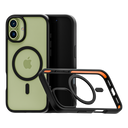


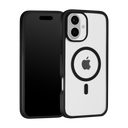

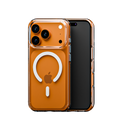
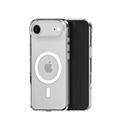
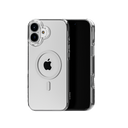

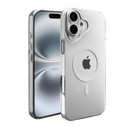


You've just spent well over a lakh on a new iPhone, and now you need a case to protect it. Open any case listing and you'll see the same three abbreviations again and again: TPU, TPE and PC. One case promises "shock-absorbing edges", another says "anti-yellow", a third says "rigid protection". But what are these materials, and does the difference actually matter?
It matters more than most people think. What a case is made of decides how it feels in your hand, whether it survives a drop onto a tiled floor, whether a clear case stays clear or turns yellow within a few months, and how it holds up through an Indian summer. Two cases can look identical in product photos and behave completely differently once you start using them.
At Capes, we design phone cases and get asked about these materials all the time. So we've put everything into one guide. Below, we explain what TPU, TPE and polycarbonate are in plain language, compare them side by side, and show why the most protective cases don't pick just one material. They combine all three.
In this guide, you'll learn:
- What TPU, TPE and polycarbonate are, and the pros and cons of each
- How TPU compares with TPE, and how TPU compares with polycarbonate
- Why hybrid cases protect better than single-material cases
- Which material handles heat best, and why clear cases turn yellow
- How to tell what your own case is made of
The short answer
- TPU (thermoplastic polyurethane) is a flexible, tough plastic. It is the most common phone case material because it absorbs impact, resists tearing and scuffing, and keeps its shape.
- TPE (thermoplastic elastomer) is softer and more rubbery than TPU. It gives better grip and cushioning, but it is less resistant to tearing, wear and heat.
- Polycarbonate (PC) is a rigid, clear, impact-resistant plastic used for case backs. It keeps the case flat and stiff, spreads the force of an impact, and yellows much more slowly than clear TPU.
- No single material is best at everything. The best protective cases layer them: a polycarbonate back for rigidity, a TPU frame for structure and shock absorption, and TPE for extra cushioning and grip.
- Technically, TPU is a type of TPE. When phone case brands say "TPE", they usually mean a softer styrene-based elastomer (SEBS), not TPU.
TPU vs TPE vs polycarbonate: quick comparison
| Property | TPU | TPE | Polycarbonate (PC) |
|---|---|---|---|
| Full name | Thermoplastic polyurethane | Thermoplastic elastomer (in cases, usually SEBS/styrenic) | Polycarbonate |
| Feel | Flexible, smooth, slightly firm | Soft, rubbery, grippy | Hard, rigid, glass-like |
| Shock absorption | Very good | Very good (cushioning) | Low on its own, but spreads force |
| Rigidity / holds shape | Medium | Low | Very high |
| Tear and abrasion resistance | Excellent | Moderate | High (dent-resistant) |
| Scratch resistance | Moderate (scuffs hide well) | Low–moderate | Good with a hard coat |
| Grip | Good | Excellent | Low (slippery unless textured) |
| Yellowing (clear versions) | Yellows fastest, especially standard grades | Can discolour and pick up stains | Yellows slowly, and anti-yellow treatments slow it further |
| Heat tolerance | Good | Lower (softens sooner) | Excellent |
| Cost | Medium | Low–medium | Medium |
| Best used for | Frames, bumpers, slim all-round cases | Corner cushions, soft inner layers, grip zones | Clear or rigid backs, hybrid cases |
What is TPU?
TPU (thermoplastic polyurethane) is a flexible, elastic plastic that bends under force and springs back to its original shape. It was developed in the 1950s. Today it appears in phone cases, smartwatch straps, shoe soles and hoses.
Why phone cases use TPU
- It absorbs impact. TPU deforms slightly when a phone hits the floor, which soaks up energy before it reaches the phone.
- It's tough. It resists tearing, abrasion, oil and sweat much better than softer rubbers.
- It's easy to fit. It flexes enough to stretch over the phone's edges, then grips tightly.
- It stays slim. You get real protection without much bulk.
Downsides of TPU
- Clear TPU yellows. Most standard TPU is made with aromatic compounds that oxidise when exposed to UV light, heat and skin oils, which turns them yellow. Aliphatic (anti-yellow) TPU grades resist this but cost more.
- It can feel slippery depending on the finish.
- Too thin a layer flexes too much. A thin all-TPU case can't stop the phone from bending on a hard corner impact.
What is TPE?
TPE (thermoplastic elastomer) is a family of rubber-like plastics that are soft and stretchy like rubber, but can be melted and moulded like plastic. TPU is technically one member of that family. In phone cases, "TPE" almost always means a softer styrene-based elastomer (SEBS or TPE-S), and that's how we use the word in this guide.
Why phone cases use TPE
- Cushioning. TPE is softer than TPU, so it compresses more on impact. That makes it ideal for corners and inner shock layers.
- Grip. The rubbery surface is less slippery in your hand.
- It bonds well. TPE can be over-moulded onto TPU or polycarbonate, so manufacturers can build soft zones into a harder structure.
- Comfort. It feels softer and "warmer" to hold.
Downsides of TPE
- Lower tear and wear resistance. Used alone, TPE edges can scuff, stretch or tear with heavy use.
- Lower heat resistance. TPE softens at lower temperatures than TPU, which matters in hot cars and Indian summers.
- Attracts dust and stains more than TPU or PC.
That's why good cases rarely use TPE on its own. It works best as a cushioning layer inside a tougher structure.
What is polycarbonate?
Polycarbonate (PC) is a rigid, transparent, impact-resistant plastic. It's the same family of material used in safety glasses, riot shields and aircraft windows.
Why phone cases use polycarbonate
- Rigidity. A PC back doesn't bend, so it keeps the case frame locked in shape and stops the phone from flexing on impact.
- It spreads impact. A rigid back distributes the force of a flat drop across a wide area instead of concentrating it at one point.
- Clarity. It stays glass-clear, which is perfect for showing off your phone's colour.
- It resists yellowing better than TPU. It isn't immune, but it discolours far more slowly, especially with UV-stabilised or anti-yellow treated grades.
- Excellent heat resistance. PC keeps its shape in far more heat than any phone should ever be exposed to.
Downsides of polycarbonate
- It doesn't absorb shock on its own. A 100% PC case passes impact straight through at the corners.
- It's slippery unless it's textured or paired with a grippy frame.
- Uncoated PC scratches more easily than glass, so quality cases add a hard coating.
TPU vs TPE: the key differences
- Softness: TPE is softer and more rubbery. TPU is firmer and springier.
- Durability: TPU resists tearing, abrasion and stretching much better than TPE.
- Grip: TPE usually grips better. TPU grip depends on its texture.
- Heat: TPU handles heat better. TPE softens sooner.
- Shock absorption: Both absorb shock well. TPU does it while keeping its structure, and TPE cushions more but deforms more.
- Price: TPE is usually cheaper to produce.
- Best role in a case: TPU is the structural frame. TPE is the cushion inside or at the corners.
Verdict: If a case uses only one soft material, TPU is the better all-rounder. But TPU and TPE together protect better than either one alone.
TPU vs polycarbonate: which is better?
They do different jobs, so the real question is whether a case uses both.
- All-TPU cases are slim, flexible and shock-absorbing. However, they can flex on corner drops, and clear versions yellow quickly.
- All-polycarbonate cases are rigid and stay clear longer, but they absorb very little shock and are slippery.
- Hybrid PC + TPU cases put the rigid PC on the back and the shock-absorbing TPU on the edges, which is where most drops land. That's why nearly every serious protective case is a hybrid.
What about silicone?
Silicone is softer still. It feels velvety and grips well, but it attracts lint, stretches over time, and isn't as protective as TPU in hard drops. It's a comfort material, not a protection material.
Why the best phone cases combine PC, TPU and TPE
When a phone falls, most drops land on a corner or edge first. A well-built hybrid case handles that impact in three stages:
- TPE compresses first. The soft inner layer absorbs the sharpest part of the impact, the initial spike of force.
- The TPU frame flexes and rebounds. It absorbs the rest of the energy and keeps the frame from splitting or stretching.
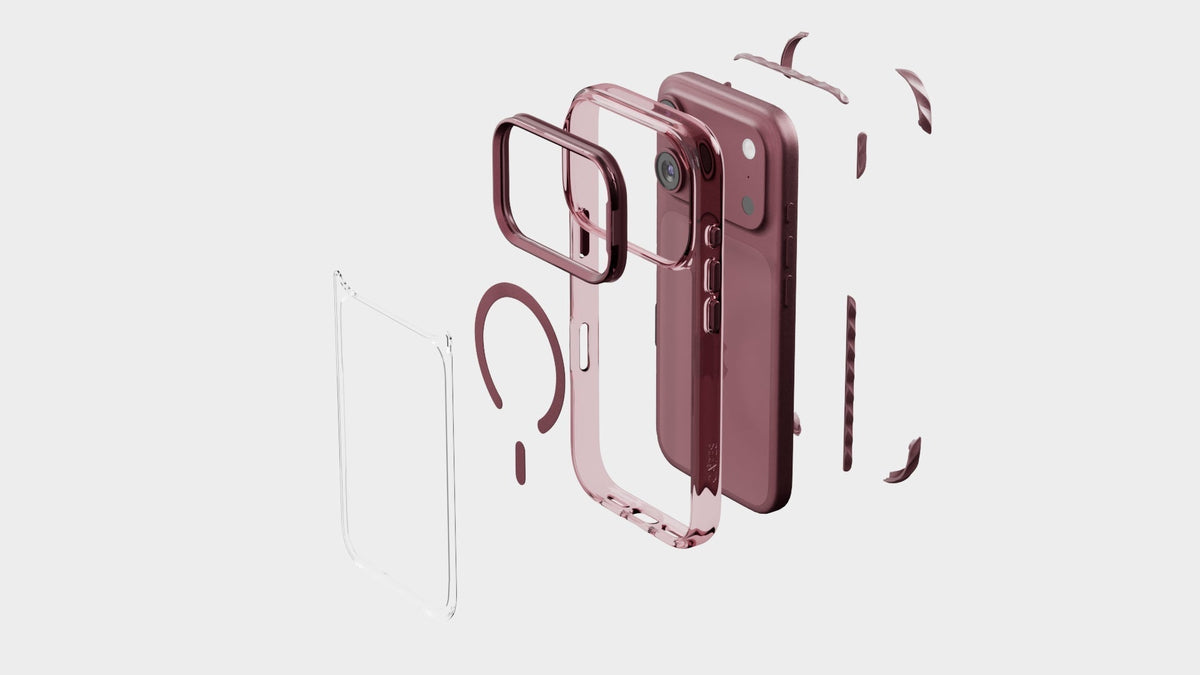
- The polycarbonate back holds everything rigid. It stops the case, and the phone inside it, from twisting, and spreads any remaining force across the back.
Each material covers the others' weaknesses. TPE on its own is too soft, TPU on its own flexes too much, and PC on its own passes shock straight through. Together they protect better than any of them could alone.
Which phone case material is best for Indian heat?
Indian summers get extremely hot, and a phone left on a car dashboard or in direct sun gets hotter still. In heat:
- Polycarbonate is the most stable. It keeps its shape and fit.
- TPU holds up well, though heat and sunlight speed up yellowing on clear, non-treated TPU.
- TPE softens soonest, so it works best as an inner layer protected by a TPU or PC structure, not as the outer shell.
Best choice for hot climates: a PC back with a TPU frame, with any TPE kept inside the frame where it's shielded from direct heat and wear.
Why do clear phone cases turn yellow?
Clear cases turn yellow because UV light, heat and oils from your skin slowly break down the plastic's molecular structure. This process is called oxidation. Standard clear TPU is the most affected, and it can visibly yellow within a few months. Polycarbonate yellows much more slowly.
How to keep a clear case clear for longer
- Choose a case with a polycarbonate back rather than an all-TPU back.
- Look for an anti-yellow treatment or promise, and check how long the brand guarantees it.
- Keep the case out of direct sunlight and off car dashboards.
- Clean it regularly with mild soap and water, which removes the skin oils that speed up discolouration.
How to tell what your phone case is made of
- It bends easily and springs back, feels smooth and slightly firm: TPU
- It feels soft and rubbery, grips your fingers and compresses when pressed: TPE
- It feels rock-hard, doesn't bend at all and is glass-clear: polycarbonate
- It feels velvety or powdery and picks up lint: silicone
- The back is rigid but the edges are flexible: a hybrid, usually PC + TPU, sometimes with TPE inside
Case study: how the Capes Impact Armour Pro uses all three
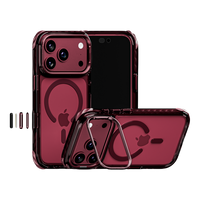
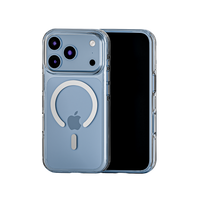
We designed the Impact Armour Pro around the layered approach described above:
- Back: 2 mm polycarbonate with an anti-scratch finish and an anti-yellow treatment, backed by a 6-month anti-yellow promise.
- Sides: TPU integrated with TPE. The TPU frame provides structure and shock absorption. The TPE layer adds cushioning at the edges where drops hit hardest.
- Drop protection: 3.3 metres (about 11 ft).
- Raised camera edges to keep the lenses off the ground when the phone lies flat or lands face-up.
- Metal buttons with a clicky feel, plus a dedicated Camera Control cover.
- MagSafe: N52 neodymium magnets, with a built-in metal stand integrated into the MagSafe ring.
- Compatible with iPhone 17 Pro, iPhone 17 Pro Max, iPhone 18 Pro and iPhone 18 Pro Max.
- Warranty: 6 month anti yellow
It's a practical example of the principle in this guide: rigid where the phone needs support, and soft where the impact lands.
Frequently asked questions
Is TPU or TPE better for a phone case?
TPU is better as the main case material because it is tougher, more tear-resistant and more heat-resistant. TPE is better as a secondary cushioning layer because it is softer and grippier. The most protective cases use both together.
Is TPU the same as TPE?
Not quite. TPU is technically a type of TPE (thermoplastic elastomer), but in phone cases "TPE" usually refers to softer styrene-based elastomers (SEBS). TPU is firmer, more durable and more heat-resistant than those.
Is polycarbonate better than TPU for phone cases?
Neither is better on its own. Polycarbonate is rigid and stays clear longer, while TPU absorbs shock. A hybrid case with a polycarbonate back and TPU edges gives the best protection.
Which phone case material is most protective?
A hybrid of polycarbonate, TPU and TPE. The PC back provides rigidity, the TPU frame absorbs impact, and TPE cushions the corners. The design, especially corner thickness and raised lips, matters as much as the material. Like this case from Capes India: Impact Armour Pro
Does TPE turn yellow?
TPE can discolour and pick up stains over time, but clear TPU is the material best known for yellowing. Polycarbonate yellows the slowest of the three. The Impact Armour Pro has Tinted and colour matched TPU side frames which wont show the yellowing as much as a fully clear case.
Why is my TPU case turning yellow?
Standard TPU oxidises when exposed to UV light, heat and skin oils, which gives it a yellow tint. Anti-yellow TPU grades and polycarbonate backs slow this down considerably.
Is TPE safe and non-toxic?
Phone-case-grade TPE is generally considered safe for skin contact and is commonly used in products like grips, straps and kitchen tools. Look for brands that state their materials clearly.
Is TPU better than silicone?
For protection, yes. TPU is more durable, absorbs harder drops, and doesn't attract lint. Silicone is softer and more comfortable to hold, but it stretches and picks up dust over time.
Does a polycarbonate case scratch easily?
Uncoated polycarbonate can pick up fine scratches. Quality cases use an anti-scratch hard coating on the PC back to reduce this. The Case from Capes has a scratch resistant coating which will not attract as many scratches as a non coated case.
What does "3.3 m drop protection" mean?
It means the case was drop-tested from that height (3.3 metres is about 11 ft) without the phone being damaged. Always check the height and whether the brand explains how it tested.
The bottom line
There's no single "best" phone case material. There's only the right material for each part of the case. Here's how to choose:
- Choose TPU if you want a slim, flexible, tough everyday case.
- Choose TPE-lined designs if grip and cushioning matter most, as long as there's a tougher frame around them.
- Choose a polycarbonate back if you want rigidity, a clear look and slower yellowing.
- For maximum protection, choose a case that combines all three, like the Capes Impact Armour Pro.
Next time you shop for a case, look past the photos and check what it's made of, and where each material sits. A rigid back, a tough frame and soft cushioning at the corners is the combination that keeps your phone safe for years, not just months.

Leave a comment
This site is protected by hCaptcha and the hCaptcha Privacy Policy and Terms of Service apply.