

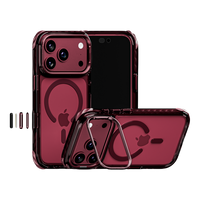
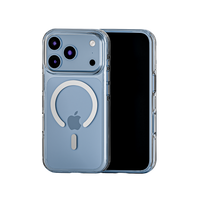
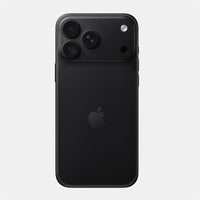
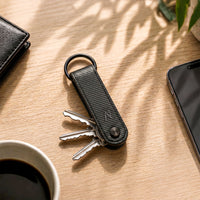








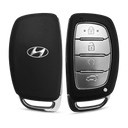
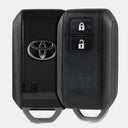
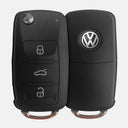
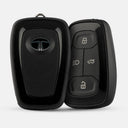
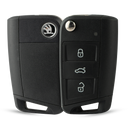
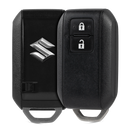
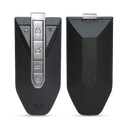
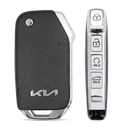
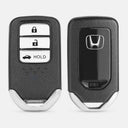
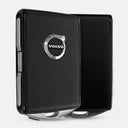
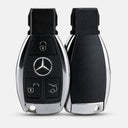
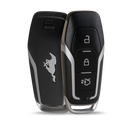
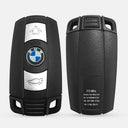
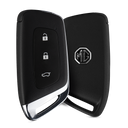
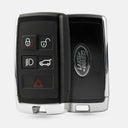









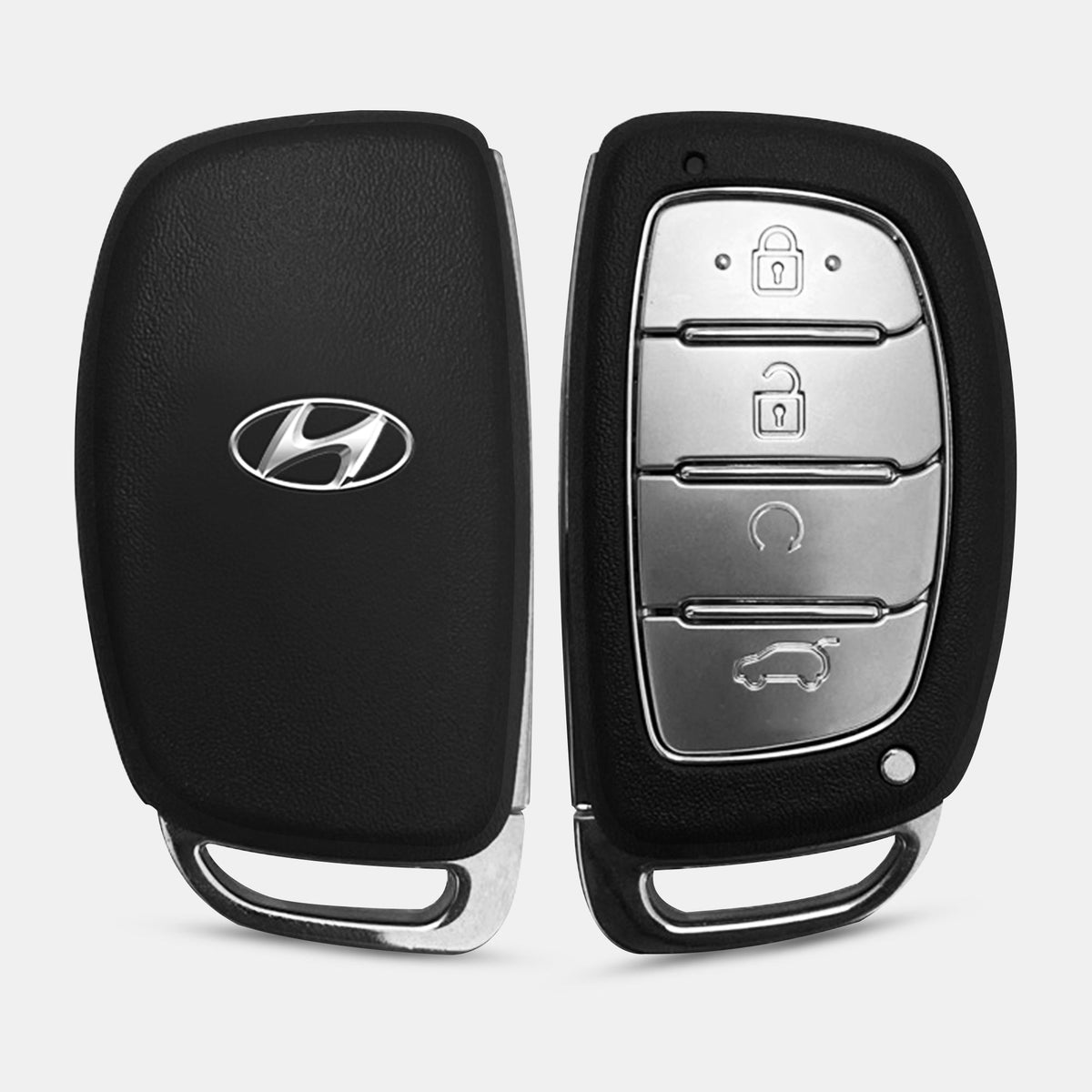
Quick answer: A car key cover (silicone, TPU, leather or metal) wraps the whole fob and cushions drops, but adds bulk and often fits loosely. A car key skin is a thin vinyl layer cut for one exact key: it stops scratches and changes the look with almost no bulk, but won't soften a fall. Pick by what damages your key.
Most car keys in India don't break; they get scratched. Keys share a pocket with coins and phones, get dropped on café tables and rub against the other keys on the ring. Within months the logo dulls and the gloss plastic turns hazy. A cover and a skin both deal with that, in very different ways.
Browse every model in our car key collection, or read on to choose.
What is the difference between a car key cover and a key skin?
A cover is a shell the key sits inside; a skin is a layer stuck onto the key's own surface. That one difference decides everything else.
| Key cover (silicone, TPU, leather, metal) | Key skin (vinyl) | |
|---|---|---|
| Scratches and scuffs | Protects, while the cover itself wears instead | Protects the surfaces it covers |
| Drops | Some cushioning (silicone and TPU most) | Very little; it is a thin layer |
| Bulk in the pocket | Noticeably bigger and heavier key | Key stays its original size |
| Buttons | Pressed through the cover; feel softer or stiffer | Cut around the buttons, which feel the same |
| Fit | Usually made per brand, sometimes loose | Cut for one exact key model |
| Look | Hides the key's design | Keeps the key's shape and logo, changes the finish |
| Dirt | Dust and sweat collect inside silicone covers | Nothing to trap dirt |
Which is better for my car key, a cover or a skin?
If your key gets dropped a lot, a soft cover is the better protection. If your key mostly gets scratched and you like it slim, a skin is the better fit.
- Choose a cover if the key lives in a work bag with tools, is often dropped on hard floors, or is handled by kids.
- Choose a skin if the key goes in a trouser pocket, you hate a bulky keychain, and your worry is scratches and a worn-out look.
- Either way, protect the spare. The second key usually sits in a drawer and comes out looking worse than the first. Our key skins are sold per key, so order one for each key you want covered.
Will a key cover or skin block keyless entry or push-button start?
A thin vinyl skin is not expected to: vinyl is not metal, and radio signals pass through thin non-metallic materials. Metal covers are the ones more likely to affect range, because metal can shield radio signals.
If you notice the car takes longer to detect the key after fitting any cover, test with the cover off. If range comes back, the cover is the cause. Also check the key battery: a weak battery is a common reason a smart key stops working at a distance.
Which key do I have? Creta, Brezza, Nexon, Thar and more
Count the buttons and check whether a metal blade flips out. Many popular cars have had two or more different keys, and a skin only lines up on the key it was cut for.
| Car | Key versions we cut for | How to tell them apart |
|---|---|---|
| Hyundai Creta | 3-button flip key, 3-button smart key, 4-button, 4-button 2023, Creta EV 2025 | Flip key has a fold-out blade; smart key has none. Count the buttons and match the year. |
| Maruti Suzuki Brezza | Brezza, Brezza top variant | We list the top-variant key separately because its shape differs; compare your key with both product photos. |
| Tata Nexon | Nexon, Nexon base variant | We list the base-variant key separately; match your key to the photos. |
| Mahindra Thar | Thar, Thar facelift, Thar Roxx 2024 | We cut the original, the facelift and the Roxx key separately; match yours to the photos. |
| Kia Seltos | Seltos, Seltos facelift 2023, old-logo 3-button flip key | Check the logo on the key (old or new Kia logo) and whether it has a flip blade. |
| Hyundai Venue | 3-button flip key, 4-button, SX (O) 2023 | Count the buttons; the SX (O) has its own key. |
| Toyota Fortuner | Fortuner, Fortuner Legender | We list the Legender key separately. |
| Mahindra XUV700, Tata Punch, Maruti Swift | XUV700, Punch and Punch base, Swift and Swift top variant | Where we list a base or top variant separately, the keys differ. |
Not sure? Put your key next to the product photo: the button layout and outline should match exactly. You can also start from your brand: Hyundai, Maruti Suzuki, Tata, Mahindra, Kia, Toyota.
How do I put a skin on a car key?
It takes a few minutes and no tools. Clean first, then work from the centre out.
- Wipe the key with a cloth and a little isopropyl alcohol to remove hand oil, and let it dry fully.
- Peel one piece at a time and line it up with the buttons or logo before it touches down.
- Press from the centre outwards so air escapes at the edges.
- Press the edges and curves down firmly, then leave the key alone for a while so the adhesive settles before it goes back in your pocket.
Which finish should I choose?
Pick the finish for how the key feels in the hand as much as how it looks. Textured finishes such as Black Leather, Forged Carbon or Carbon Fibre Black add grip; patterns such as Galaxy, Aqua or Terrain stand out on a table; Walnut and the satin metallics look quieter. The finishes available differ by key, so check your key's product page.
Find the skin for your car key
Search by your car in the car key skins collection. Can't find your key? Tell us your car and key. Outside India? Shop on capes.co.
FAQ
Car key cover ya key skin, kaunsa better hai?
Agar key baar baar girti hai, toh soft cover better hai. Agar aapko slim key chahiye aur problem sirf scratches ki hai, toh key skin better hai.
Is a car key cover worth it?
Yes, if your key is often dropped or carried with tools. If it mostly gets scratched in your pocket, a skin protects against that without making the key bigger.
Will a key skin affect keyless entry?
A thin vinyl skin is not expected to, because vinyl is not metal. Metal covers are the type more likely to reduce range. If range drops after fitting any cover, test with it off and check the key battery.
Does a key skin protect the key if I drop it?
Only a little. A skin is a thin layer that protects against scratches and scuffs; for drop cushioning, a silicone or TPU cover does more.
How do I know which skin fits my car key?
Match your car, then count the buttons and check for a flip-out blade. Compare your key with the product photo; the outline and button layout should match exactly.
Written by Capes. Last checked: 9 October 2026.

Leave a comment
This site is protected by hCaptcha and the hCaptcha Privacy Policy and Terms of Service apply.